

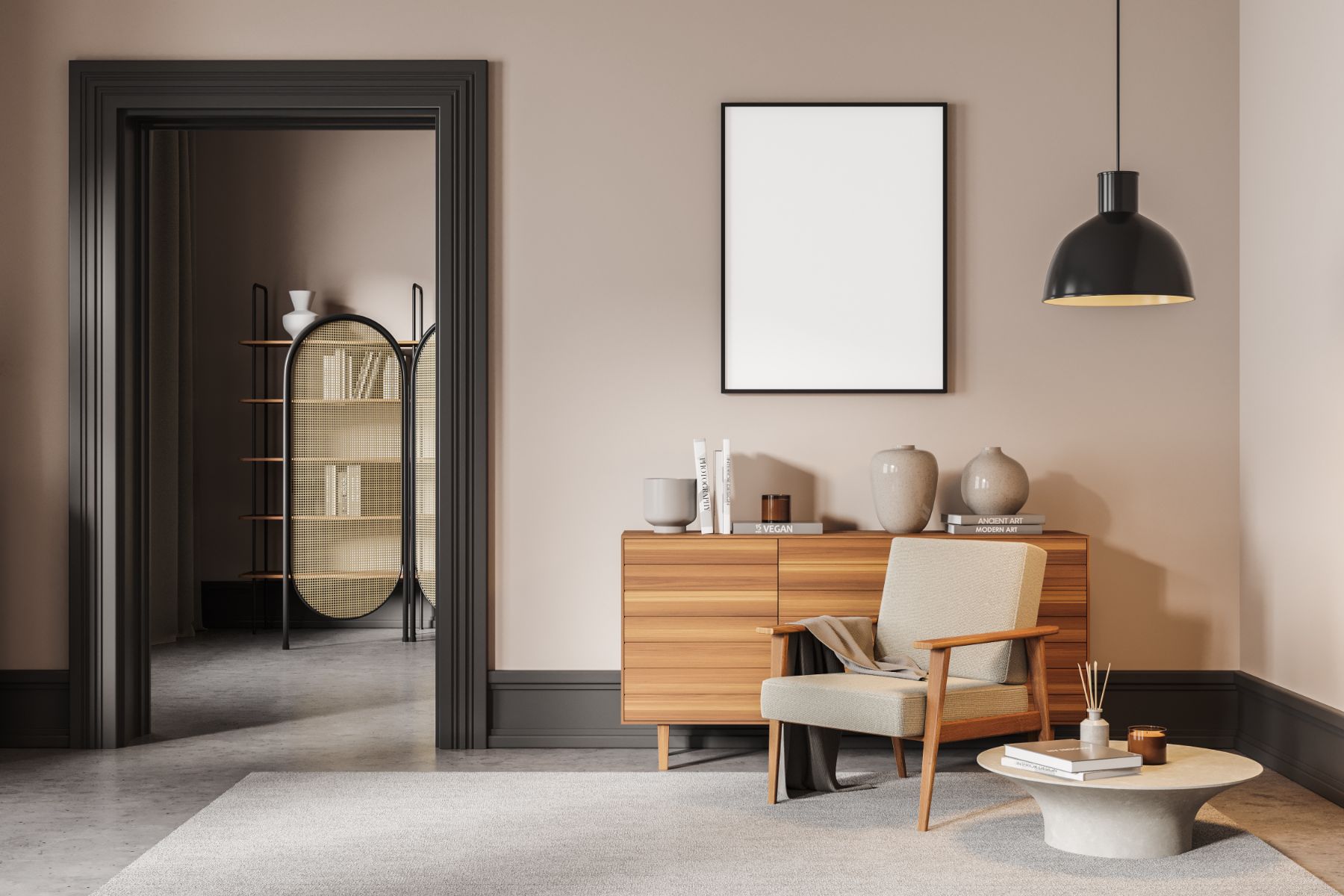
Sometimes a room does not need a new floor. It needs a new perspective.
That is where an area rug can make an unexpectedly powerful difference.
Unlike permanent flooring, an area rug can introduce a new colour, pattern, texture, or sense of proportion without changing the surface underneath. It can transform the atmosphere of a room while allowing the existing hardwood, laminate, or luxury vinyl to remain part of the design.
Think of a large living room.
Without a rug, furniture can appear to float independently across the floor. Add a carefully sized area rug beneath the seating arrangement, and suddenly the furniture feels connected. The rug creates a visual boundary that tells the eye where the room begins and where the conversation happens.
Size matters.
A rug that is too small can make a furniture arrangement feel disconnected. A larger rug can create a more unified composition by allowing multiple pieces of furniture to sit comfortably within the same visual zone.
Colour matters just as much.
An area rug can echo the tones already present in the room or introduce a deliberate contrast. It can connect the colour of a sofa to the flooring, bring out the warmth of hardwood, or add personality to an otherwise neutral space.
Texture provides another layer.
A smooth hard floor paired with a textured rug creates contrast that can make the room feel more dimensional. The rug becomes more than decoration—it becomes part of the sensory experience of the space.
This is particularly useful when homeowners have invested in beautiful hardwood. An area rug does not have to hide the floor. It can frame it, leaving sections of the wood visible while introducing softness where it is most useful.
The same approach can work with laminate and luxury vinyl. A rug can change the look of the room without requiring a permanent flooring decision.
For homeowners in Burlingame, San Mateo, Hillsborough, Millbrae, and Foster City, Luxor Floors can help explore area rugs alongside carpet, hardwood, laminate, and luxury vinyl options to create interiors with greater depth and cohesion.
Sometimes the most effective design change is not a complete renovation. It is simply adding the right layer in the right place.


